 EN
EN fr
fr ha
ha nl
nl ru
ru hi
hi be
be he
he ar
ar az
az af
af vi
vi ja
ja th
th tr
tr de
de pt
pt es
es it
it sq
sq ko
ko tg
tg ky
ky rw
rw
Top Used Car Ratings for Chinese Models: Comprehensive Reliability and Buying Guide

Chinese-made used cars have evolved rapidly in build quality, safety features, and dependability, making them a pragmatic option for value-driven buyers. At Hunan Launch Automotive Technology (hnlaunchcar.com), we specialize in connecting buyers with high-quality used Chinese vehicles, backed by expert insights into their performance and longevity. This comprehensive guide, brought to you by our team, explains what “used car ratings” mean for Chinese models, how core metrics like PP100 and independent safety scores inform dependability assessments, and how to turn those metrics into confident pre-purchase decisions. Many buyers struggle to translate aggregate reliability data into actionable checks at inspection and test drive, and this article resolves that gap by combining metric interpretation, brand-level patterns, and hands-on inspection steps. You will learn which brands and models tend to perform better in owner-reported dependability surveys, how vehicle type (SUV, sedan, EV) alters typical failure modes, and a step-by-step inspection checklist to surface red flags before you buy. The sections that follow cover the key metrics buyers should trust, comparative brand insights with a quick reference table, type-specific reliability trade-offs (including EV battery considerations), a practical buying checklist with VIN and maintenance guidance, and the latest industry trends shaping used Chinese cars through 12/2024.
What Are the Key Metrics for Evaluating Chinese Used Car Reliability?

Key metrics define how dependable a used Chinese car is and how owners report problems over time. PP100 (problems per 100 vehicles), independent safety ratings such as C-NCAP (China New Car Assessment Program) and Euro NCAP where applicable, owner complaint frequency, recall history, and typical maintenance intervals together form a multidimensional reliability picture. PP100 measures reported problems per 100 vehicles and therefore directly relates to owner-reported dependability; safety ratings evaluate crash protection rather than mechanical faults, and warranty/recall history reveals manufacturing or component-level systemic issues. Combining these metrics improves predictive accuracy: use PP100 to spot chronic quality issues, safety ratings to assess occupant protection, and owner forums plus VIN history to verify real-world service trends. At Hunan Launch Automotive Technology, we meticulously analyze these metrics to curate our inventory and provide transparent vehicle histories. Below is a concise summary list for quick reference and a short table comparing the metrics and their role in used-car evaluation.
PP100, safety ratings, and owner reports form a complementary set of indicators:
- PP100: Indicates owner-reported problem frequency per 100 vehicles; lower values signal fewer reported faults.
- Safety ratings: Measure crashworthiness and occupant protection; higher scores improve long-term safety outcomes.
- Owner complaints & recalls: Reveal systemic patterns and common repair items that increase ownership cost.
This combination helps buyers prioritize models with fewer reliability incidents and stronger crash performance, which leads into how to interpret PP100 figures in practice.
How Does the PP100 Metric Reflect Vehicle Dependability?
PP100 quantifies owner-reported problems per 100 vehicles over a defined period, so it directly measures the frequency of issues experienced by vehicle owners. As a metric, PP100 provides a standardized way to compare dependability across brands and model years, enabling buyers to see which models generate fewer service events. However, PP100 has limitations for used-car purchasers: it typically reflects problems in a defined owner cohort and may be influenced by market age, regional service quality, and recall timing. For used-car buyers, the practical approach is to read PP100 alongside age and mileage data, VIN history, and forum reports so you can adjust expectations for older vehicles and those with higher kilometers. Understanding PP100 in context leads naturally to combining it with independent safety and service records for a fuller reliability assessment.
What Role Do J.D. Power and Euro NCAP Ratings Play in Assessing Quality?
J.D. Power produces owner-survey–based dependability metrics (including PP100-style measures) that capture real-world problem frequency, while Euro NCAP provides laboratory and crash-test–derived safety ratings focused on occupant protection and crash avoidance. For Chinese domestic market vehicles, C-NCAP ratings are often more relevant, but Euro NCAP ratings apply to models exported to Europe. Together they form two pillars of assessment: J.D. Power indicates post-purchase mechanical and electronic reliability, and NCAP programs indicate crashworthiness and active safety capability. For used buyers, a model with a favorable J.D. Power dependability score suggests lower maintenance disruption, whereas a strong NCAP rating suggests continued protection in the event of a collision. The best practice is to prioritize models that score well on both axes and to cross-check manufacturer recall history and service network coverage before making a purchase decision.
Which Chinese Car Brands Lead in Used Car Reliability Rankings?
Several Chinese brands have shown improving reliability trends driven by better manufacturing controls and strategic engineering partnerships. Brand-level patterns emerge from owner surveys, recall records, and safety scoring: some brands deliver strong value and low incident frequency for everyday components, while others excel through rapid EV development and battery warranties. When shopping used, evaluate brand strengths such as parts availability, dealer/service network density, and history of software or powertrain updates that affect long-term ownership. The table below summarizes the most useful brand-model comparison attributes for used buyers so you can scan typical issues and maintenance expectations at a glance.
| Brand / Model Example | Reliability Indicator | Typical issues / Average maintenance cost |
|---|---|---|
| BYD (e.g., electric models) | Strong EV systems & battery design focus | Battery health checks important; moderate software update needs |
| Geely (e.g., sedans) | Improved engineering from partnerships | Transmission/software recalls possible; parts availability improving |
| Chery (e.g., Tiggo family) | Value-oriented builds with steady improvements | Suspension wear and electrical quirks reported; lower initial price offsets maintenance |
| Haval / Great Wall (SUVs) | SUV-focused durability gains | Suspension and drivetrain service frequency varies by usage |
This quick comparison helps buyers shortlist models to inspect in person. For a deeper dive into specific models or to explore our curated inventory, visit hnlaunchcar.com. Our experts at Hunan Launch Automotive Technology are ready to assist you in finding the perfect vehicle. This section transitions into the specifics of model-level scores and the influence of partnerships on quality.
What Are the Reliability Scores of Top Brands Like Chery, Geely, and BYD?
Brand-level reliability scores are useful but model-level data is more actionable because quality can vary widely across a brand’s range and model years. Generally, recent trend data shows improved dependability for brands that invested in engineering partnerships and EV platforms, but buyers should seek model-specific owner reports and VIN histories. Typical reliable models often feature conservative powertrains or proven EV battery designs, while higher-tech infotainment and ADAS features can create variability in owner-reported problems. Use PP100-style indices as a screening tool and then verify with maintenance records and service bulletins to confirm the actual condition of the specific used vehicle you consider.
How Do Brand Partnerships Influence Chinese Car Quality?
Partnerships between Chinese manufacturers and established international engineering teams often accelerate capability transfer in powertrain calibration, safety structure design, and software development. When a brand benefits from collaboration, the relationship can reduce early-life defects and raise manufacturing standards, which improves long-term reliability for used models. For buyers, models developed with external engineering oversight may offer better-documented service procedures and clearer parts sourcing, reducing ownership friction. Evaluating whether a model incorporates partnership-derived components is a practical step when assessing used-car value and expected upkeep.
How Do Different Vehicle Types Affect Used Chinese Car Ratings?
Vehicle type strongly shapes typical failure modes and ownership costs, making type-specific evaluation essential for used buyers. SUVs typically experience more suspension and chassis wear under heavy use, sedans often show lower running costs but can concentrate wear on transmissions, and EVs shift the reliability question toward battery health and software lifecycle. Comparing EVs and gasoline models shows trade-offs in moving parts, maintenance intervals, and long-term service risk. The EAV table below clarifies these differences to help buyers choose the vehicle type that best matches their tolerance for maintenance and long-term depreciation.
| Vehicle Type | Component focus | Typical ownership implication |
|---|---|---|
| Electric Vehicles (EVs) | Battery, motor, software/OTA updates | Fewer mechanical parts but battery degradation risk; service centers needed for high-voltage systems |
| Gasoline ICE models | Engine, transmission, exhaust | Regular fluid changes and mechanical servicing; well-understood repair ecosystem |
| Hybrids | Powertrain integration, battery & ICE coordination | Combined maintenance needs; battery health and hybrid controllers matter |
This table highlights the key trade-offs and leads into SUV-specific and EV-specific reliability considerations for used buyers.
What Are the Reliability Considerations for Used Chinese SUVs?

Used Chinese SUVs are attractive for space and value, but their typical reliability checklist focuses on suspension components, drivetrain health, and body corrosion in certain climates. Buyers should inspect shock absorbers, sway-bar links, control-arm bushings, and wheel bearings for uneven wear, and confirm the transmission service history if the model uses complex gearbox electronics.
Rust and undercarriage condition are critical because heavier loads and rough roads accelerate chassis fatigue; a thorough underbody inspection can reveal patch repairs or structural issues.
Finally, check that ADAS sensors and camera housings are intact, because repaired or misaligned sensors can cause persistent electronic faults.
How Reliable Are Used Chinese Electric Vehicles Compared to Gasoline Models?
Used Chinese EVs benefit from fewer moving mechanical parts, which reduces typical wear items like timing belts and complex transmission systems, but battery health becomes the dominant reliability factor. Assessing state-of-health (SoH) reports, remaining battery warranty, and documented thermal management procedures is essential; well-designed battery packs and conservative state-of-charge strategies lead to longer effective lifespans. Software and OTA update history also influence reliability because firmware can change charging behavior and energy management. Availability of certified battery service or module replacement options should factor into purchase decisions, since battery servicing is the largest potential outlay for older EVs.
What Are the Essential Factors to Consider When Buying a Used Chinese Car?
Buying a used Chinese car requires a focused research and inspection workflow that reduces uncertainty and cost risk. Prioritize pre-purchase research on PP100 or owner-reported dependability, cross-check C-NCAP, Euro NCAP, or equivalent safety scores, and obtain a full VIN history report to detect accidents and title issues. During inspection and test drive, verify powertrain behavior, electrical systems, ADAS functionality, and for EVs specifically request battery health diagnostics. Below is a practical, numbered inspection checklist to follow during viewing, followed by a compact EAV-style table you can print for checkboxes during a hands-on evaluation.
Follow this prioritized inspection checklist during any used-car viewing:
- Verify VIN and service history: confirm consistent maintenance and absence of salvage title indicators.
- Test drive focusing on drivetrain and brakes: listen for abnormal noises and check transmission shifts and regenerative braking feel.
- Inspect electrical systems and infotainment: verify ADAS functions, camera alignment, and software responsiveness.
- For EVs, obtain battery SoH and charge cycle history: request manufacturer or shop diagnostics showing remaining capacity.
This checklist steers buyers toward evidence-based decisions and connects to the inspection components summarized below.
| Component | What to check | Red flag / Pass-Fail indicator |
|---|---|---|
| VIN & service records | Consistent maintenance stamps and no title issues | Missing history or salvage title |
| Engine / Motor behavior | Smooth power delivery, no odd noises | Irregular noise, hesitation, smoke |
| Transmission / Gearbox | Smooth shifts under load | Slipping, jerking, delayed engagement |
| Battery (EVs) | SoH percent, thermal management reports | Rapid capacity loss or thermal faults |
| Suspension & undercarriage | Even wear, no repaired structural components | Patches, bent control arms, heavy rust |
This inspection table gives a quick pass/fail framework to prioritize repairs and price negotiation.
Explore Our Inventory at hnlaunchcar.com
Ready to Find Your Next Used Chinese Car?
Hunan Launch Automotive Technology is your trusted partner for high-quality used Chinese vehicles. We provide expert guidance, transparent vehicle histories, and a carefully selected inventory to ensure your peace of mind.
How to Inspect and Evaluate Used Chinese Cars Effectively?
Effective inspection, a cornerstone of the Hunan Launch Automotive Technology commitment to quality, combines document verification, physical checks, and test-drive diagnostics in a repeatable sequence. Start with VIN verification and a service-history audit to ensure oil changes and scheduled maintenance were performed on time, then proceed to a visual inspection of chassis, engine bay, and body panels for evidence of collision repair or corrosion. During the test drive, evaluate acceleration, transmission behavior, braking consistency, steering alignment, and listen for abnormal noises under different loads; for EVs include a full-charge range check and regeneration feel assessment. Electrical systems, infotainment stability, and ADAS calibration should be tested in a quiet location and during a short highway segment to reveal sensor or software issues. Completing this structured process increases the probability of identifying latent problems before they become costly ownership events.
What Is the Impact of Resale Value and Maintenance Costs on Ownership?
Resale value and service costs determine the true total cost of ownership for used Chinese cars, often more so than the initial purchase price. Depreciation rates vary by brand perception, model lifecycle, and regional parts availability; models with limited dealer networks or scarce replacement parts typically depreciate faster and incur higher maintenance costs. Warranty transfers and certified pre-owned programs can mitigate depreciation risk and enhance resale prospects, while documented service records maintain buyer confidence at resale. To estimate ownership cost, calculate expected yearly maintenance and potential battery or transmission repairs against the purchase saving versus a comparable mainstream-brand used car; this net-cost perspective clarifies whether a lower upfront price truly saves money over ownership.
What Are the Latest Industry Trends and Future Outlook for Chinese Used Cars?
Recent industry signals through 12/2024 show improving reliability and growing global acceptance of Chinese used cars driven by advances in EV battery technology, stronger safety compliance, and better software practices. At Hunan Launch Automotive Technology, we stay at the forefront of these trends, ensuring our inventory reflects the latest advancements in quality and performance. As manufacturers refine battery chemistries and thermal designs, long-term EV residuals may stabilize, and improved ADAS calibration reduces accident rates and long-term repair variability. Export growth and expanded service networks in import markets increase parts availability and decrease ownership friction over time, which in turn supports stronger resale values and buyer confidence. These trends make contemporary used Chinese models increasingly competitive versus legacy brands when buyers apply disciplined inspection and verification practices.
How Are Technological Innovations Improving Reliability and Safety?
Technological advances such as safer cell chemistries in battery packs, standardized ADAS modules, and improved manufacturing quality control directly enhance used-car longevity. Battery innovations reduce degradation rates and improve thermal stability, while modular ADAS components simplify calibration and replacement, lowering repair complexity. Software-driven diagnostics and OTA update mechanisms allow manufacturers to fix non-structural faults remotely, which reduces owner visits for minor issues and extends functional life. These innovations collectively shift reliability risk from mechanical wear to software and battery health management, making documented update histories an essential part of used-car evaluation.
What Is the Global Demand and Market Growth for Used Chinese Vehicles?
Global demand for used Chinese vehicles is rising because of improved affordability combined with higher perceived quality in recent models, and because competitive EV offerings expand consumer options. Export markets are adapting regulatory and inspection frameworks to assess incoming used vehicles, which influences availability and import pricing. As service networks mature in new markets, parts supply and certified repair options expand, reducing ownership friction and improving buyer confidence. This growth increases the supply of used Chinese cars in many regions, giving buyers more choice but also making thorough inspection and reliance on objective metrics like PP100 and safety ratings ever more important when selecting a dependable used model.
Hot News

Nissan and Infiniti recall 1.2 million vehicles
November 28, 2023
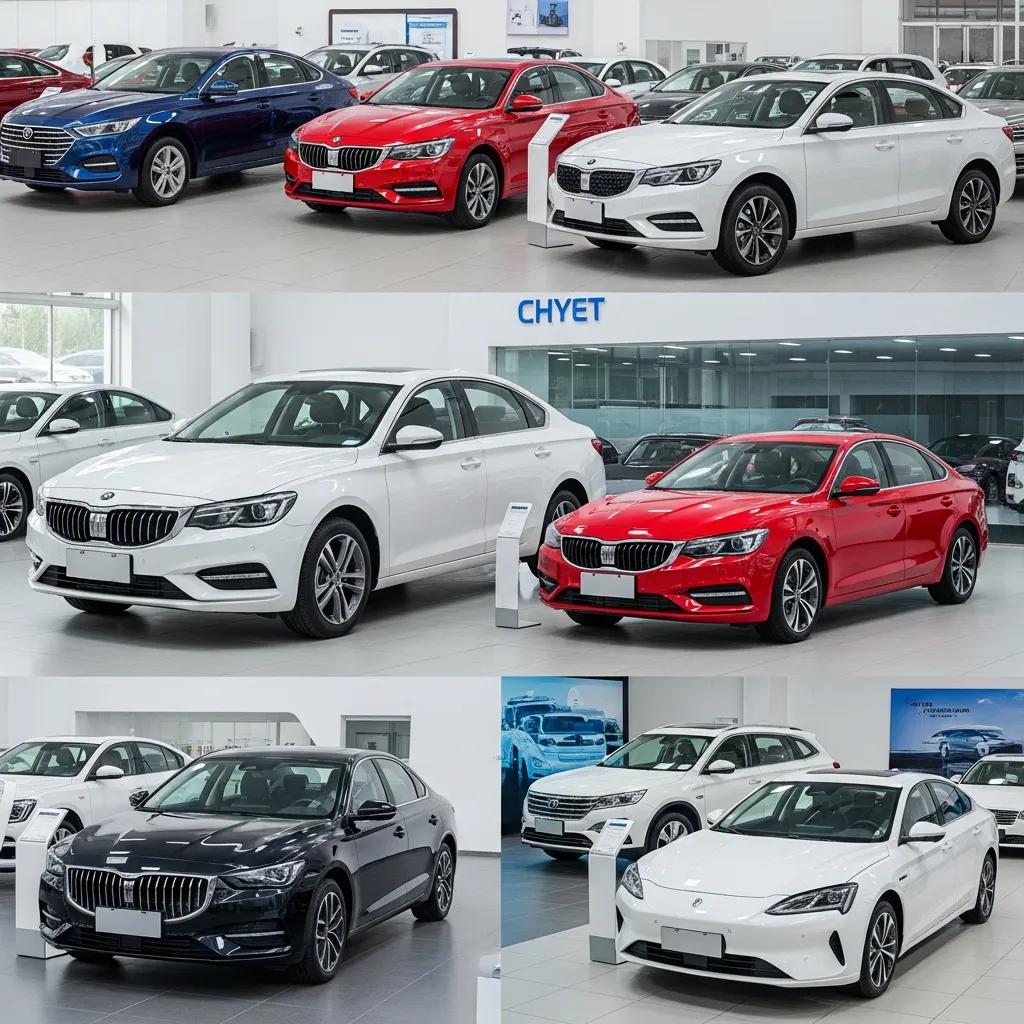
Best Wholesale Cars From China for Your Business
February 03, 2026

Discover Cheap Cars for Import From China
February 09, 2026

Bulk Purchase Benefits of Chinese Vehicles Explained
February 19, 2026
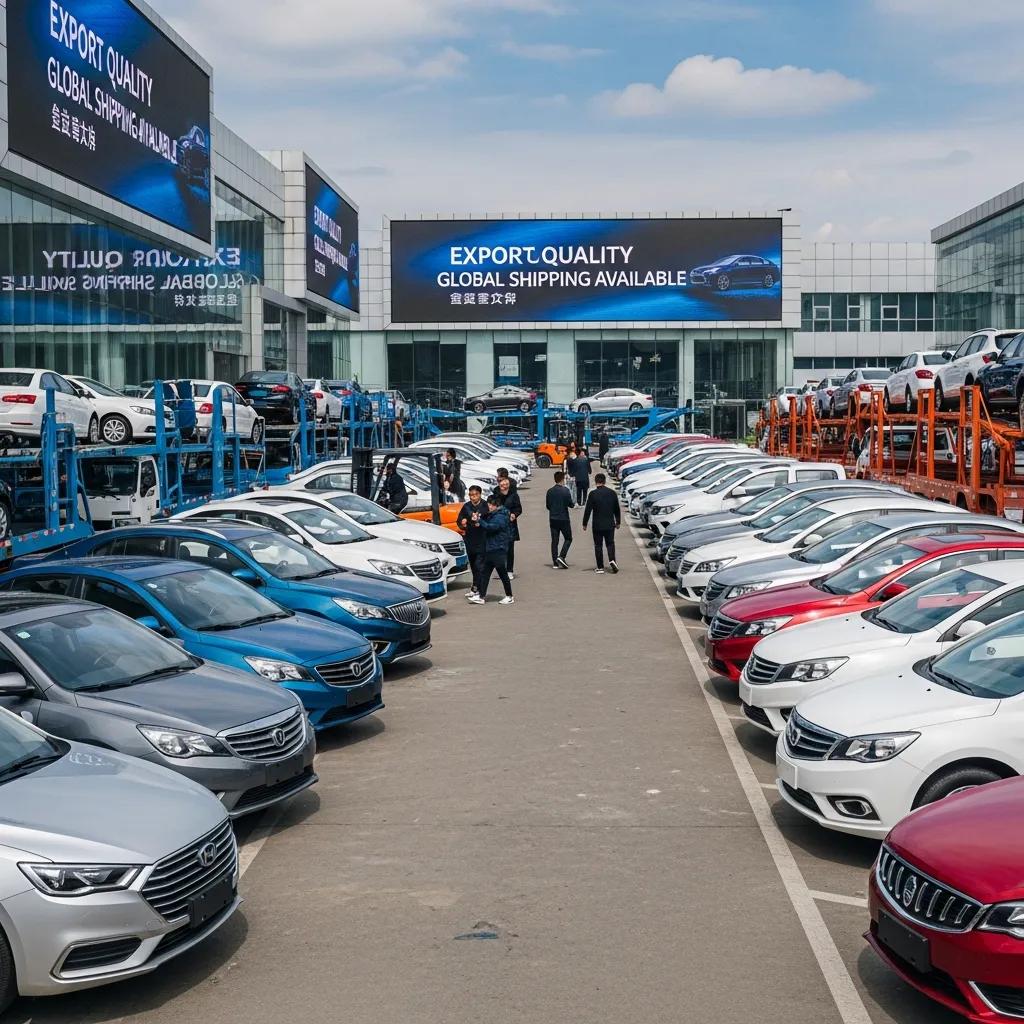
Bulk Car Suppliers in China: What You Need to Know
February 23, 2026
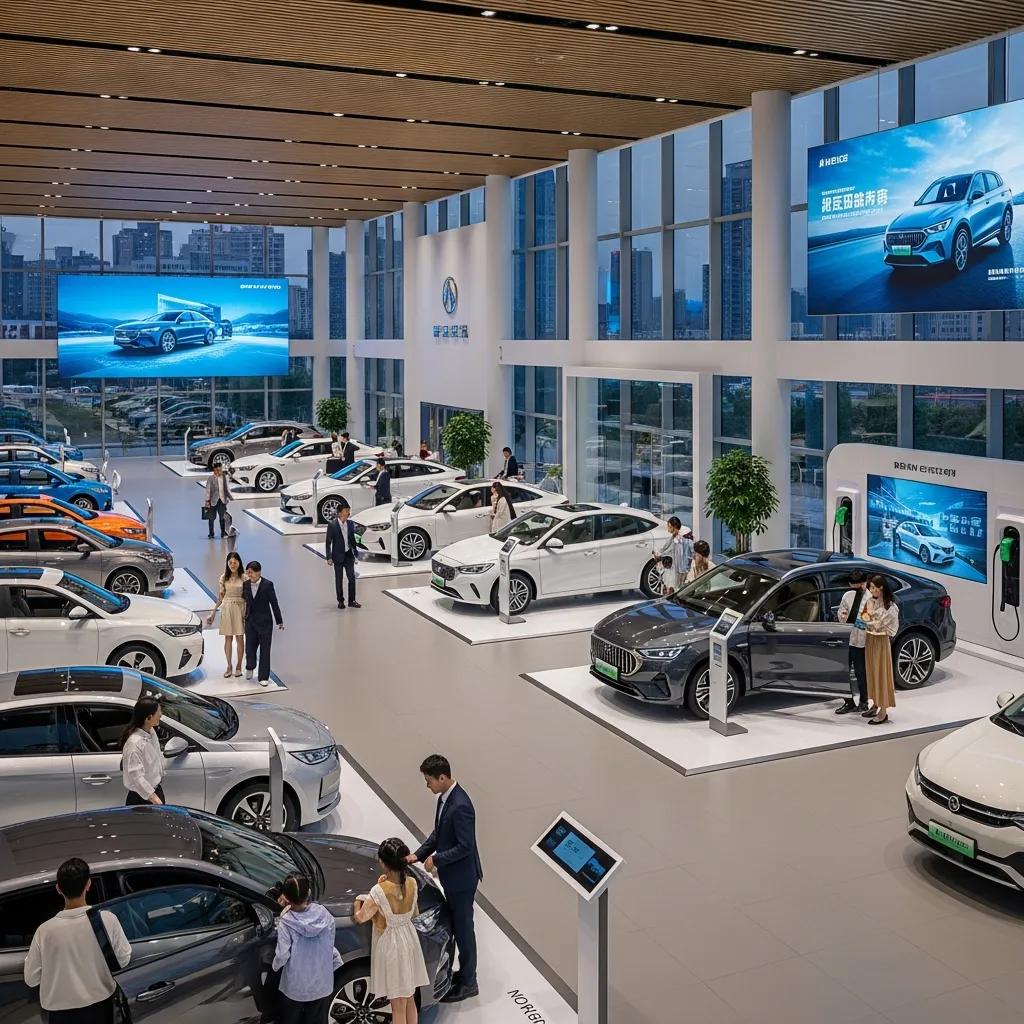
Wholesale Car Sales Growth in China's Vehicle Market
March 30, 2026
Industry information
Nissan and Infiniti recall 1.2 million vehicles
November 28, 2023

2023 BMW i7 Review: Smooth Operator, Tricky Technology
December 04, 2023
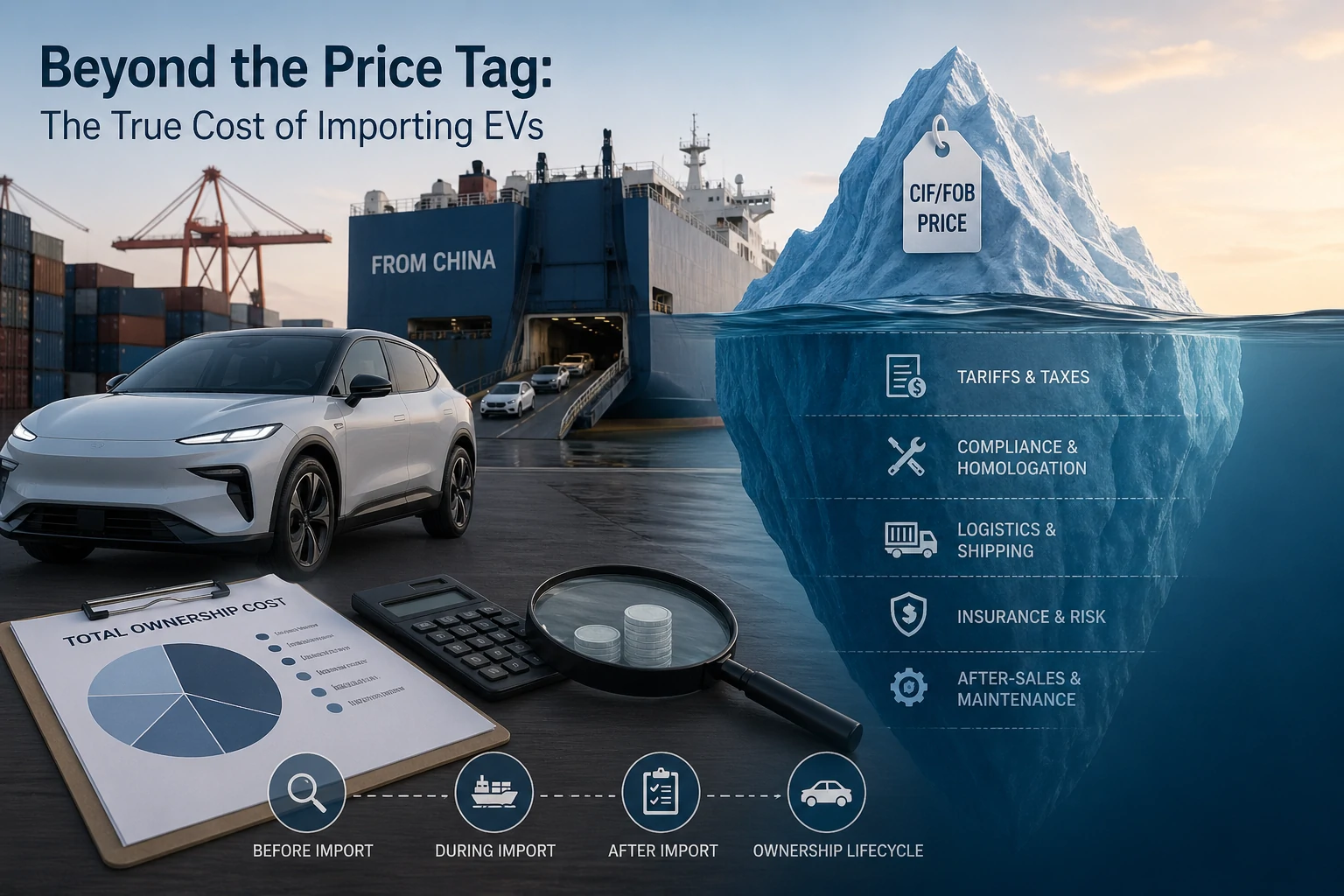
Hidden Costs of Importing EVs from China: What Buyers Often Overlook
April 30, 2026
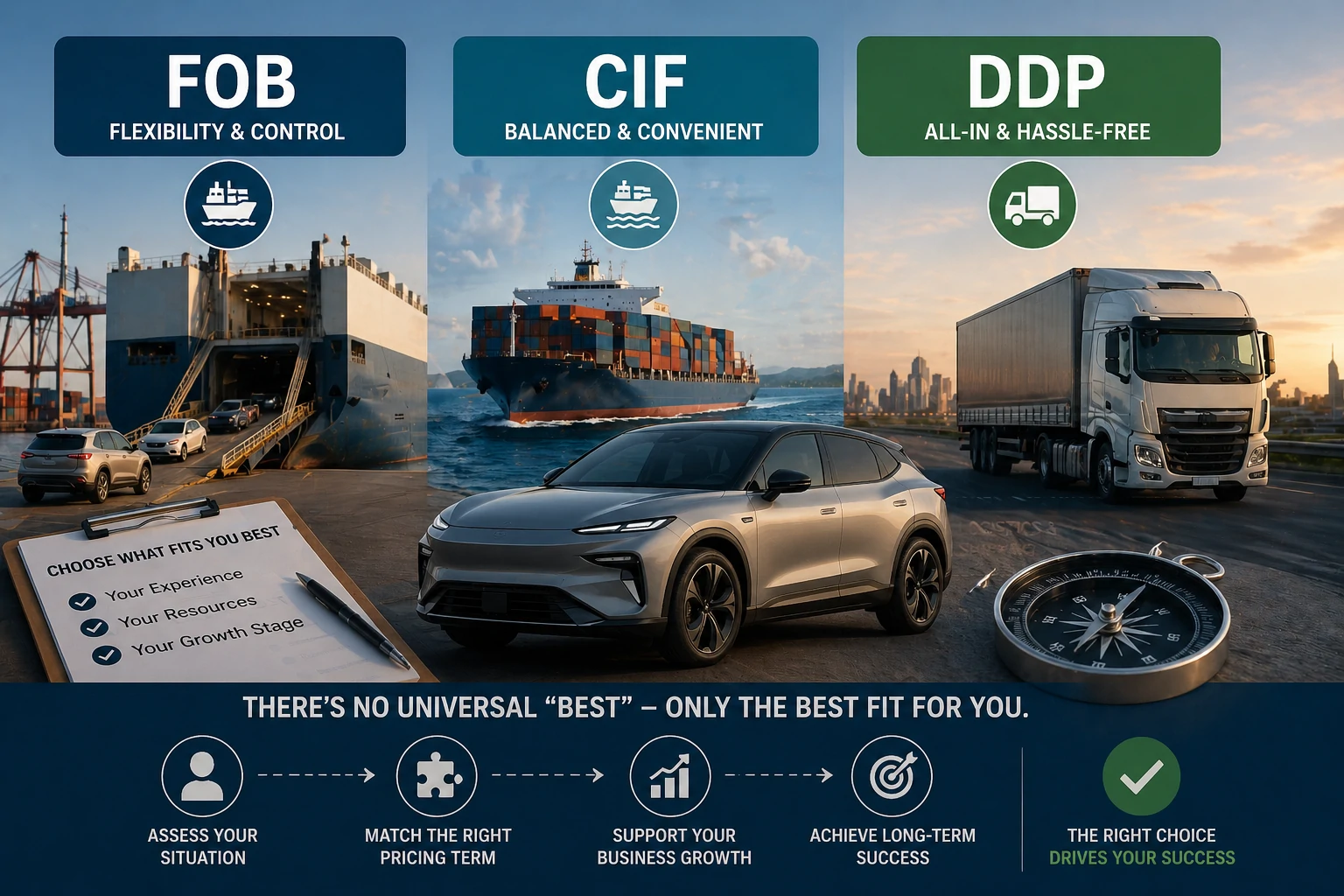
FOB vs CIF vs DDP in Car Export: Which Pricing Term Is Best for You
April 30, 2026

Meeting Along the Silk Road, Driving Toward the Future | Longchuang Automobile Appears at the Belt and Road Business Exchange Conference
May 15, 2026