 EN
EN fr
fr ha
ha nl
nl ru
ru hi
hi be
be he
he ar
ar az
az af
af vi
vi ja
ja th
th tr
tr de
de pt
pt es
es it
it sq
sq ko
ko tg
tg ky
ky rw
rw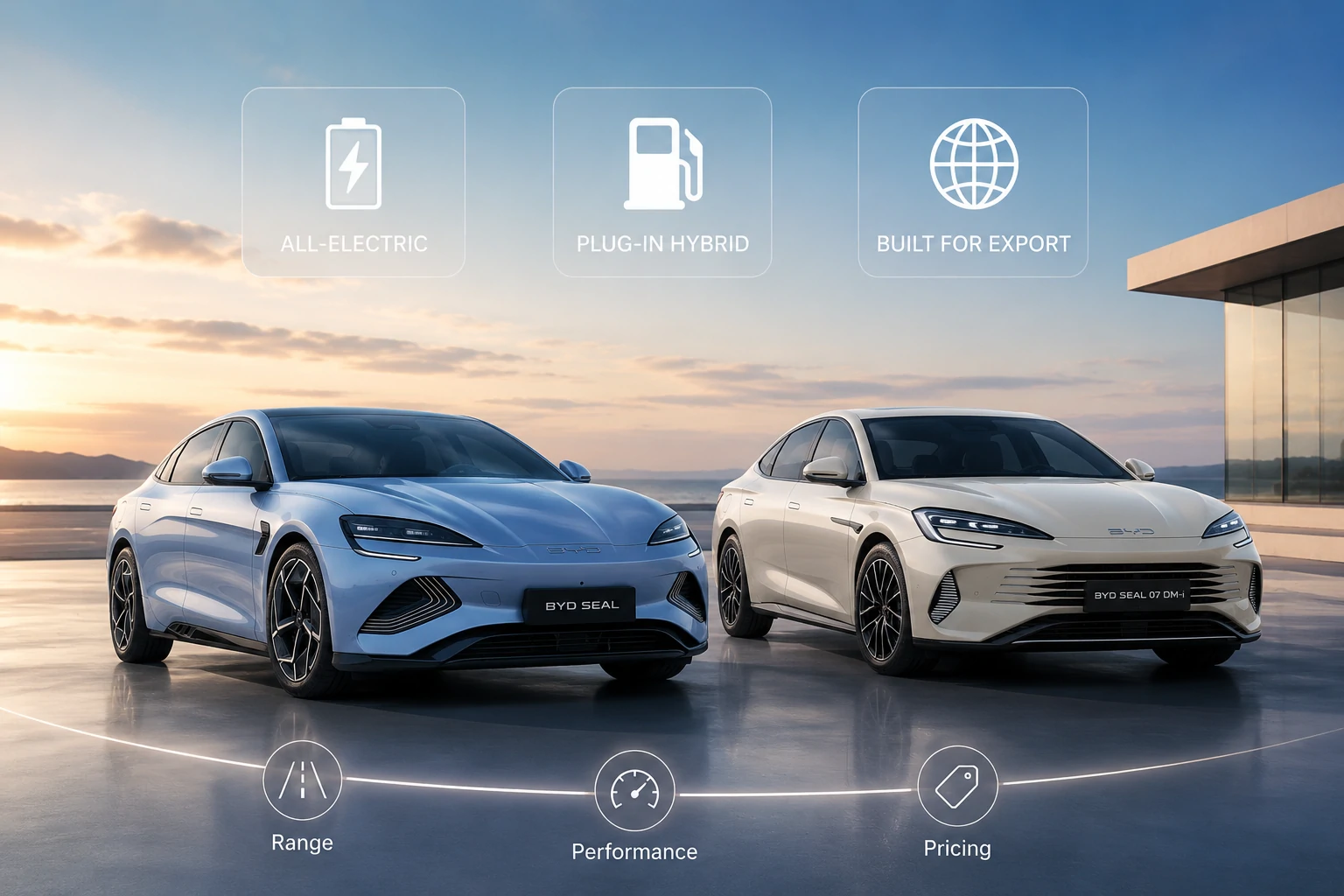
BYD Seal Sedan Specifications: Range, Performance, and Pricing for Exporters
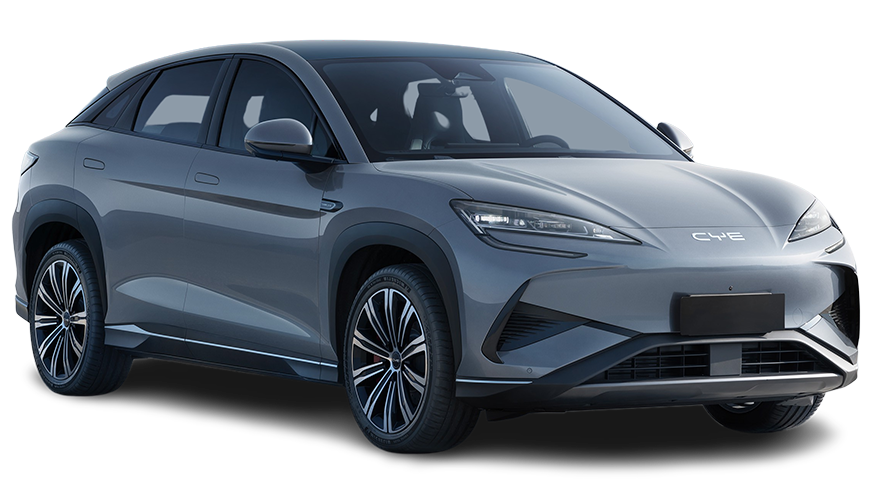
International dealers shopping for BYD sedans often hit the same wall: the Seal lineup includes several variants, and not all of them are actually sedans. The Seal 06GT, for instance, is a hatchback despite sharing the Seal name, which makes it easy to misquote in a sourcing conversation if a buyer only skims the model name. For dealers building an export order around passenger sedans specifically, two models matter — the all-electric BYD Seal and the plug-in hybrid BYD Seal 07 DM-i. Both sit in Hunan Launch's sedan lineup, and choosing between them comes down to one practical question: does your target market favor charging infrastructure, or does it need fuel-tank flexibility as a safety net?
That question matters more in B2B sourcing than it might in a single retail sale, because a dealer ordering in volume is effectively betting on which powertrain logic their local market will respond to over the next sales cycle.
Seal vs. Seal 07 DM-i at a Glance
| Specification | BYD Seal (EV) | BYD Seal 07 DM-i (PHEV) |
|---|---|---|
| Powertrain | Pure electric | Plug-in hybrid (1.5L/1.5T + motor) |
| Drive layout | RWD (single motor) / AWD (dual motor) | FWD |
| Power output | 204–313Ps single motor; 530Ps dual motor | 101Ps (1.5L) / 156Ps (1.5T) |
| Range | ~650km CLTC | 70–125km EV range + fuel backup |
| 0–100km/h | — | 6.9s (1.5T variant) |
| Wheelbase | 2920mm | 2900mm |
| FOB price | $18,000 | $21,735 |
The $3,735 gap between the two models is the first thing a dealer should weigh, not an afterthought after the specs are reviewed — at order volumes of 20, 50, or 100 units, that difference shifts from a rounding error into a real pricing-strategy lever.
BYD Seal: The Pure-Electric Performance Sedan
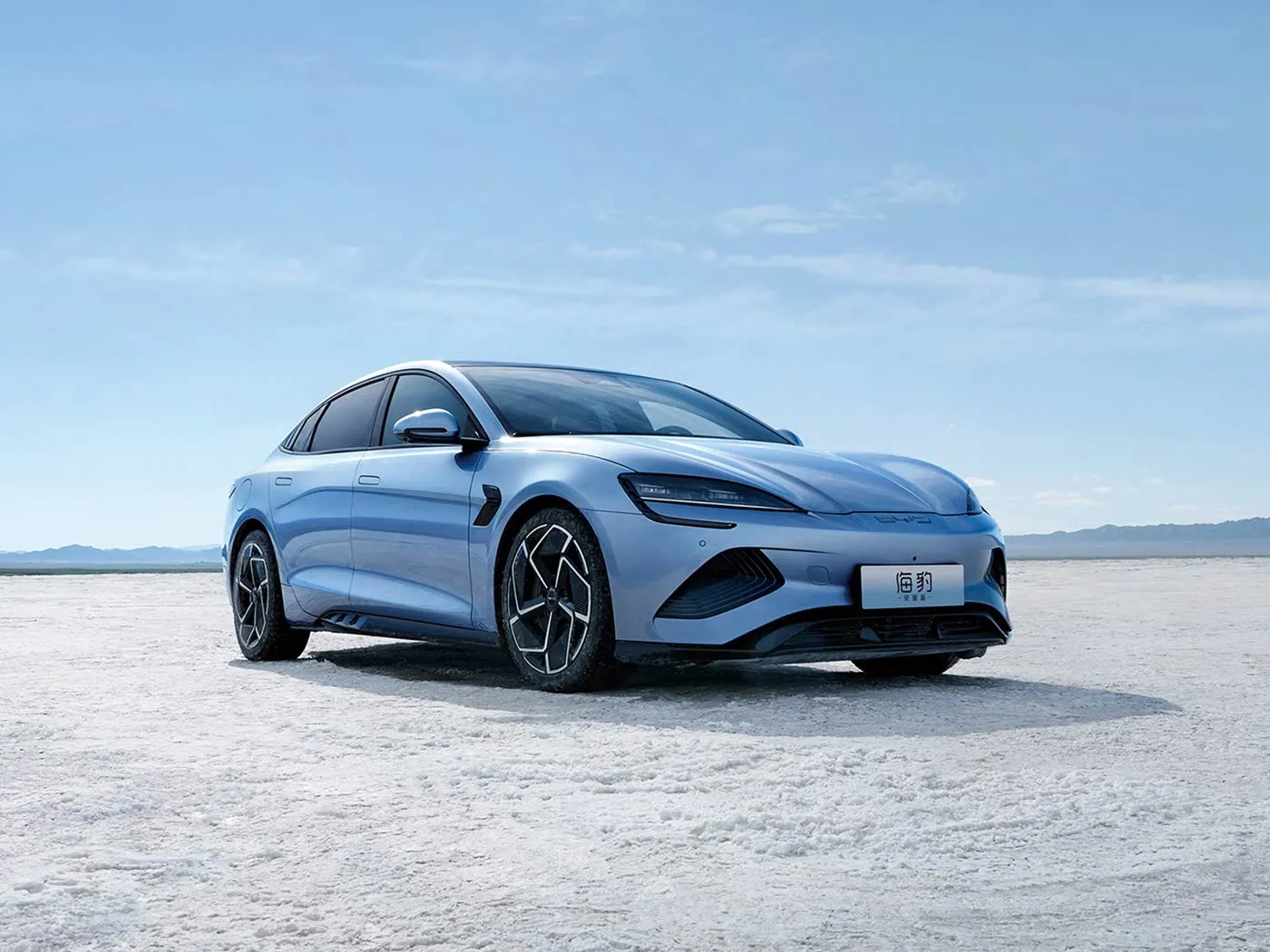
The Seal is built around BYD's Blade Battery platform, a lithium iron phosphate pack that prioritizes thermal stability alongside range — a relevant detail for any dealer fielding safety questions from end customers in markets where EV battery fires have made local news. CLTC-rated range lands around 650km, with single-motor outputs from 204 to 313Ps and a dual-motor AWD configuration pushing 530Ps and 670Nm of torque. Top speed varies by configuration, from roughly 180 to 210km/h, which puts the upper trims closer to performance-sedan territory than to a typical commuter EV.
The chassis uses a double-wishbone front suspension and a five-link independent rear setup — a layout aimed at handling rather than pure ride comfort, which matters if a dealer is positioning the car as a premium alternative to established EV sedans in a competitive market segment. Inside, a 15.6-inch rotating touchscreen runs BYD's DiLink system, paired with L2+ driver assistance, adaptive cruise control, and a 360-degree camera system. Thirteen airbags round out the safety package, which is a detail worth highlighting in markets where safety equipment counts are a common comparison point against rival EV sedans.
For markets with reliable charging networks — much of urban Southeast Asia, parts of the Middle East, and developed European corridors — the Seal's lower FOB price of $18,000 makes it the easier sell to price-sensitive fleet or retail buyers. It's also the more straightforward unit to market on performance credentials alone, since the dual-motor variant's output figures hold up well against competing EV sedans in the same price bracket.
BYD Seal 07 DM-i: The Hybrid Built for Range Anxiety
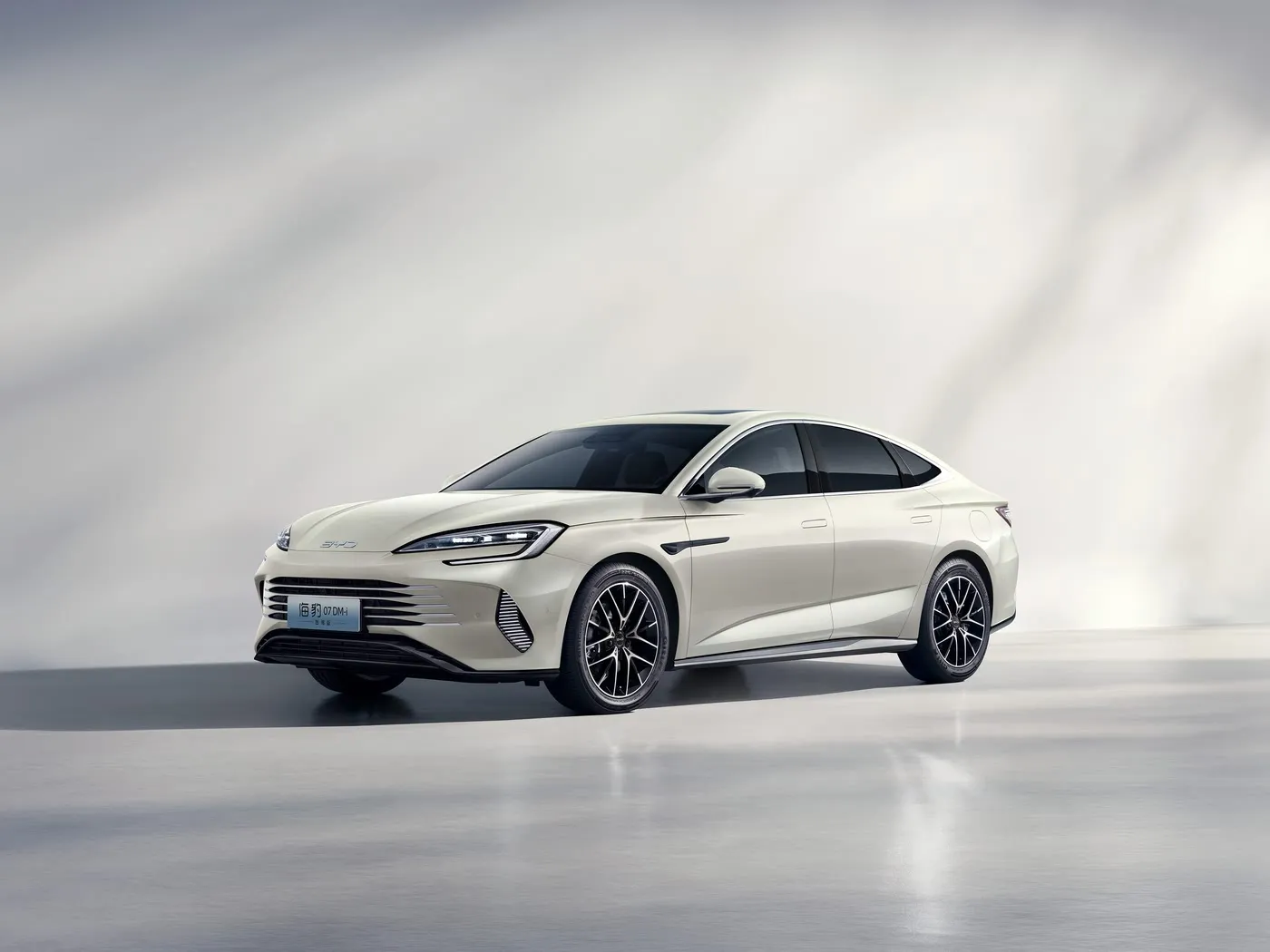
The Seal 07 DM-i takes a different approach to the same buyer problem. It runs BYD's fifth-generation DM hybrid system, offered with either a 1.5L naturally aspirated or 1.5T turbocharged engine paired to an E-CVT transmission. EV-only range runs 70–125km, with combined fuel consumption between 3.4 and 3.8L/100km. The 1.5T variant reaches 0–100km/h in 6.9 seconds, which is competitive against other mid-size hybrid sedans in export markets where performance figures still factor into a buyer's decision.
At 4980×1890×1495mm with a 2900mm wheelbase, the Seal 07 is slightly larger than its electric sibling, with a 70-liter fuel tank that removes any dependency on charging infrastructure entirely. That's the practical case for dealers targeting markets where public charging is still patchy — parts of Africa, South Asia, and rural distribution networks where a depleted battery isn't a quick fix, and where a fuel station is far more likely to be within reach than a working charger. The cabin carries over the 15.6-inch DiLink display, with a higher-trim Dynaudio sound system and a denser sensor suite (12 ultrasonic plus 5 millimeter-wave radars) supporting its driver-assist features — a configuration that lets dealers market the Seal 07 as a tech-forward option even in markets that aren't yet EV-ready.
Matching the Right Sedan to the Right Market
Three factors should drive the sourcing decision more than brand preference alone:
- Charging infrastructure maturity. Markets with dense, reliable charging networks support the Seal's pure-EV value proposition without the dealer needing to manage customer anxiety about running out of range mid-trip. Markets without that infrastructure favor the Seal 07's fuel backup, which removes the single biggest objection EV sedans face in emerging markets.
- Budget per unit. The price gap between the two models compounds at volume. A 50-unit order built entirely on the Seal instead of the Seal 07 frees up roughly $186,750 in working capital — capital that can fund a second product line, faster inventory turnover, or a more aggressive retail price in a competitive local market.
- Use case. Ride-hailing and taxi fleets that run long daily distances tend to lean toward the Seal 07's range security, since downtime spent charging directly costs a driver income. Retail and premium-segment buyers, by contrast, often respond better to the Seal's performance positioning and lower running costs once charging access isn't a concern.
Dealers stocking both variants can cover a wider slice of buyer intent without diluting either model's positioning — a hedge that's particularly useful when entering a new export market with limited local demand data, since it avoids committing an entire shipment to a single powertrain bet.
Export and Procurement Details
Both models ship FOB with a minimum order quantity of one unit, making small test orders viable before committing to bulk purchasing — a useful option for dealers piloting a new market segment before scaling. Standard payment terms include telegraphic transfer, letter of credit, D/P, or cash, with sea freight delivery typically dispatched within seven working days of payment confirmation. Buyers should confirm left-hand or right-hand drive availability and destination-market homologation requirements before finalizing an order, since these vary by region and aren't standardized across all export documentation. Confirming these details early in the inquiry process avoids the kind of last-minute paperwork delays that tend to push back delivery timelines on larger orders.
FAQ
Are the BYD Seal and Seal 07 the same car?
No. The Seal is a pure-electric sedan; the Seal 07 DM-i is a separate plug-in hybrid model with a different platform, engine, and price point.
Which BYD sedan suits high-mileage fleet use better?
The Seal 07 DM-i's fuel backup generally suits high-mileage or charging-limited operations better than the pure-EV Seal, since drivers aren't locked into charging downtime during a shift.
Can these models be ordered as a single unit for market testing?
Yes — both carry a minimum order quantity of one unit under FOB terms, which supports small pilot orders ahead of bulk procurement.
Is right-hand drive available for both models?
Steering configuration and homologation should be confirmed directly with the supplier for your destination market, as availability can vary by export batch.
For dealers evaluating both powertrains side by side, the full range of BYD sedans available for export is the most direct way to compare configurations and request a formal quote.
Hot News

Nissan and Infiniti recall 1.2 million vehicles
November 28, 2023
Best Wholesale Cars From China for Your Business
February 03, 2026
Discover Cheap Cars for Import From China
February 09, 2026
Bulk Purchase Benefits of Chinese Vehicles Explained
February 19, 2026
Bulk Car Suppliers in China: What You Need to Know
February 23, 2026
Wholesale Car Sales Growth in China's Vehicle Market
March 30, 2026
Industry information
Nissan and Infiniti recall 1.2 million vehicles
November 28, 2023

2023 BMW i7 Review: Smooth Operator, Tricky Technology
December 04, 2023
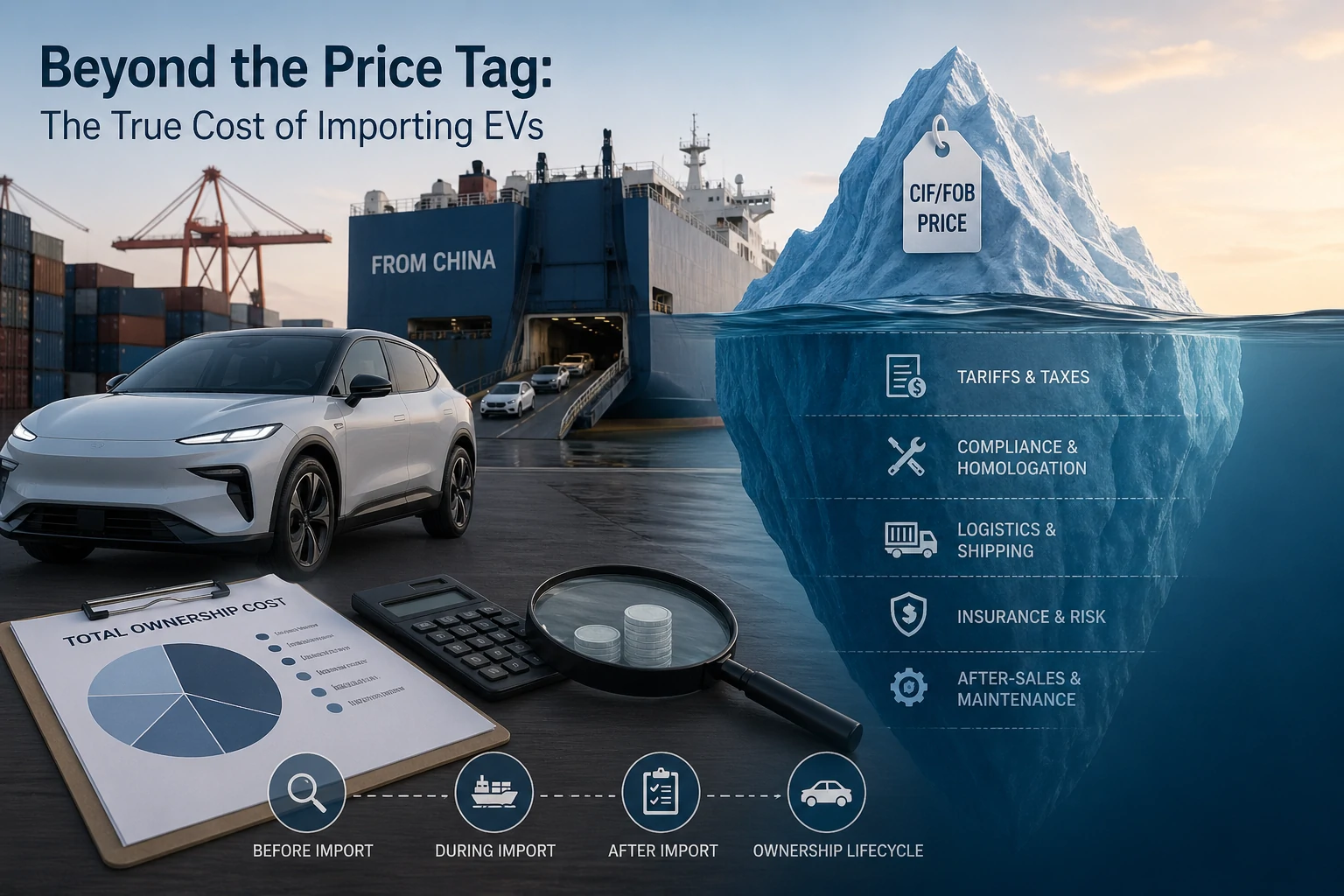
Hidden Costs of Importing EVs from China: What Buyers Often Overlook
April 30, 2026
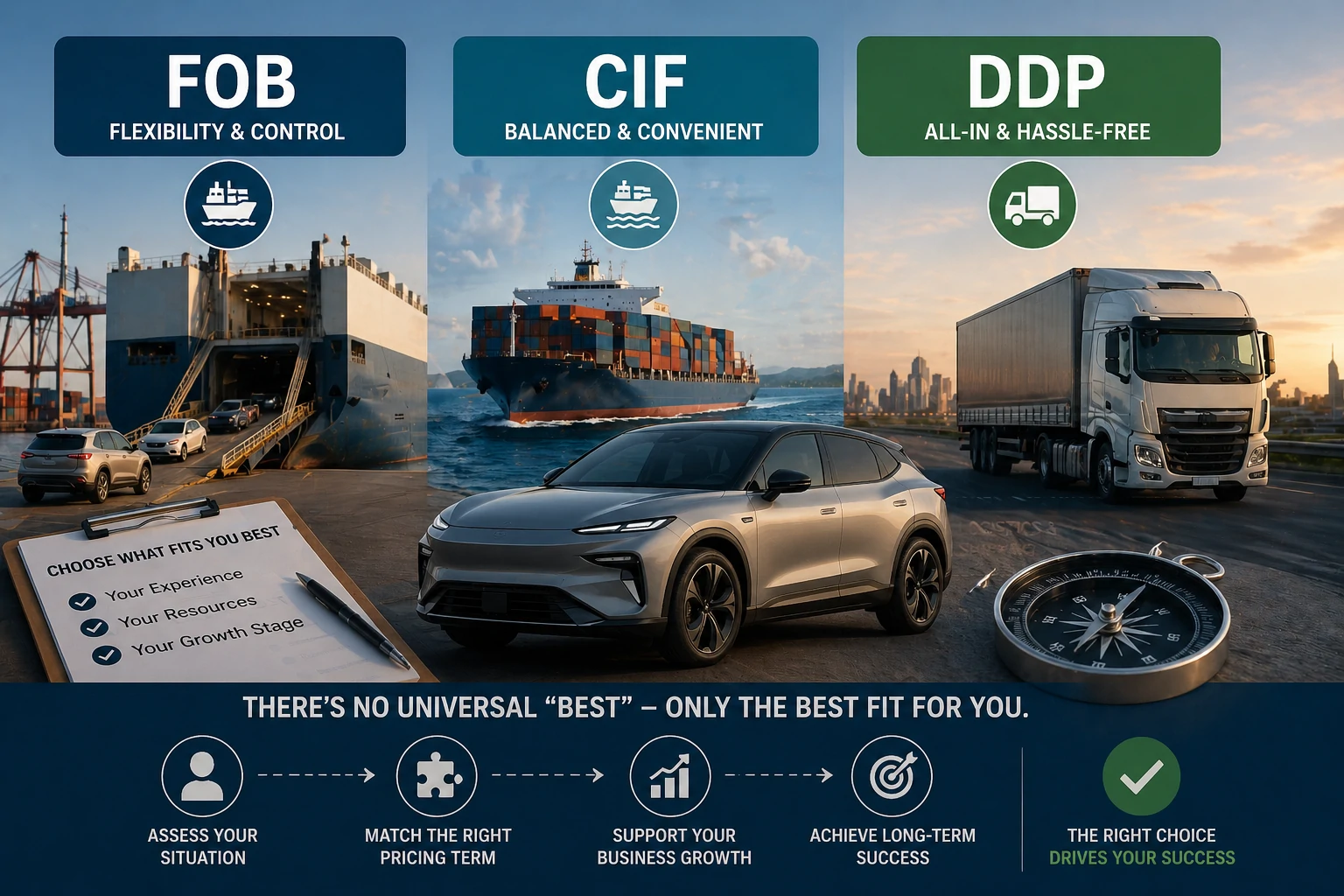
FOB vs CIF vs DDP in Car Export: Which Pricing Term Is Best for You
April 30, 2026

Meeting Along the Silk Road, Driving Toward the Future | Longchuang Automobile Appears at the Belt and Road Business Exchange Conference
May 15, 2026