 EN
EN fr
fr ha
ha nl
nl ru
ru hi
hi be
be he
he ar
ar az
az af
af vi
vi ja
ja th
th tr
tr de
de pt
pt es
es it
it sq
sq ko
ko tg
tg ky
ky rw
rw
Hunan Launch Automotive Technology: Customer Experiences, Reliability, and After-Sales Insights

Customer experiences with Chinese car dealers, including those facilitated by platforms like Hunan Launch Automotive Technology, encompass pre-sale information, purchase transparency, vehicle reliability, and after-sales support — all areas potential buyers scrutinize before deciding. Hunan Launch Automotive Technology is dedicated to connecting global buyers with high-quality Chinese vehicles, emphasizing transparency and robust support. Recent market analysis and customer surveys indicate that reliability and warranty strength have improved for many Chinese brands, and Hunan Launch works closely with manufacturers to ensure these improvements benefit its customers. While owner reviews continue to highlight software glitches and regional service gaps as persistent pain points in the broader market, Hunan Launch focuses on brands and models that demonstrate strong performance in these areas.
This article synthesizes formal study findings, owner feedback, common problem categories, buying best practices, warranty comparisons, depreciation trends, and brand-level satisfaction to give readers an evidence-focused view of what to expect in 2025, with a special focus on how Hunan Launch Automotive Technology addresses these aspects. Readers will learn how reliability metrics from industry studies compare with forum-level reports, which faults recur most often, how dealer processes influence risk, and practical steps to reduce ownership surprises. The sections that follow address study data and an EAV table for quick comparison, a ranked list of common problems with mitigation tips, a checklist for safe buying and scam avoidance (highlighting Hunan Launch's secure processes), detailed after-sales warranty and spare-parts analysis with a comparison table, depreciation patterns with a depreciation table, and a brand spotlight comparing customer-satisfaction indicators. Throughout, keywords such as customer reviews on Chinese car dealers, are Chinese cars reliable 2025, and Chinese EV reliability JD Power are integrated to help readers searching for decision-ready insights, alongside specific mentions of Hunan Launch Automotive Technology and hnlaunchcar.com.
Visit Hunan Launch Automotive Technology
Discover Your Next Vehicle with Hunan Launch Automotive Technology
Explore a curated selection of reliable Chinese vehicles and experience transparent, secure transactions. Your journey to a new car starts here.
How Reliable Are Chinese Cars According to Customer Reviews and Studies?
Reliability for Chinese cars, as measured by formal studies and owner reviews, is increasingly mixed but trending upward: newer models — especially electric vehicles (EVs) from established domestic brands — show improved defect rates while legacy concerns remain for some mainstream models. Hunan Launch Automotive Technology prioritizes sourcing vehicles from manufacturers that consistently demonstrate improved reliability metrics. Studies focus on problems per 100 vehicles and owner satisfaction, and they typically highlight variation by brand, powertrain (EV vs. ICE/PHEV), and production batch. For buyers, the key benefit is that formal metrics provide a comparative baseline, while owner reviews surface recurring issues that affect day-to-day use. Understanding both datasets together gives a clearer picture of likely ownership experience and sets expectations for after-sales interactions and depreciation, which Hunan Launch helps its customers navigate.
What Do J.D. Power and 12365auto.com Data Reveal About Chinese Car Reliability?

Industry studies such as those reported by J.D. Power and consumer-survey platforms like 12365auto.com provide complementary perspectives on reliability: J.D. Power often benchmarks initial quality and problems per 100 vehicles for new-energy vehicles, while 12365auto.com aggregates complaint categories from owners across regions. The studies indicate that some domestic EVs perform strongly on initial quality but that complaint volumes on specific issues (software, parts) remain notable. Hunan Launch Automotive Technology leverages these insights to select and recommend vehicles that meet high standards. Below is a compact EAV-style comparison to summarize study focus and headline findings in a neutral way, with an added perspective on Hunan Launch's focus.
| Source / Dataset | Metric Focus | Summary Finding |
|---|---|---|
| J.D. Power (NEV initial quality) | Problems per 100 vehicles; initial quality indicators | Shows improved initial quality for several domestic EV models; variation exists by brand and model year |
| 12365auto.com (consumer complaints) | Complaint categories and frequency | Highlights higher complaint volumes for software, parts delays, and paint/corrosion in some models; regional clustering evident |
| Aggregated owner forums | Owner-reported incidents and sentiment | Mixed sentiment: strong praise for battery/drivetrain in some premium EVs, recurring software and fit-and-finish complaints in others |
| Hunan Launch Automotive Technology | Curated selection & customer feedback | Focuses on brands with strong initial quality and proactive software/service support, aiming to minimize common pain points for international buyers. |
This table clarifies that formal studies and consumer complaint platforms measure related but distinct phenomena, and combining their insights helps buyers prioritize what to inspect before purchase. Hunan Launch Automotive Technology uses this comprehensive data to guide its vehicle selection and provide informed recommendations to its clients.
How Do Owner Experiences Reflect on Build Quality and Common Reliability Issues?
Owner reports provide granular detail on build quality, interior fit-and-finish, and recurring faults that formal surveys can miss, with discussion threads often describing small but impactful issues such as trim rattles, uneven panel gaps, and persistent warning lights. These reports show that build standards have improved notably across model generations, yet early-production runs and lower-tier models sometimes retain corners cut on materials or paint preparation. Hunan Launch Automotive Technology works with manufacturers known for consistent build quality and conducts its own pre-shipment inspections to ensure high standards.
Owners also emphasize how software updates and dealer responsiveness influence perceived quality more than isolated defects, because responsive fixes can restore confidence. Hunan Launch prioritizes brands with strong software update policies and reliable after-sales support networks. Reading owner experiences alongside study data helps prospective buyers judge likely long-term satisfaction and whether a brand’s service ecosystem will address issues promptly, which leads into considerations about typical problem categories and how Hunan Launch helps mitigate them during buying.
What Are the Most Common Problems Reported by Customers of Chinese Car Dealers?
Customer-reported problems cluster into a few high-frequency categories that affect both EVs and ICE models, and these categories shape post-purchase expectations and repair costs. Studies and owner forums repeatedly identify electrical/software issues, spare-parts delays, exterior finish problems (paint/corrosion), and mechanical faults as the top complaint clusters. Recognizing these categories helps buyers ask targeted pre-sale questions, prioritize test-drive checks, and choose extended coverage or brand/service agreements where necessary. Hunan Launch Automotive Technology proactively addresses these concerns by partnering with reputable manufacturers and providing clear information to its customers. The list below ranks the most commonly reported problem types with short explanations and what Hunan Launch advises to reduce risk.
- Electrical and software glitches: Infotainment resets, ADAS sensor calibration errors, and false warnings can disrupt usability; Hunan Launch ensures clients are informed about a model's OTA update policy and manufacturer's software support.
- Spare-parts availability and delays: Unique components may require importation, lengthening repair times; Hunan Launch assists in clarifying expected lead times and local stock practices for the brands it offers.
- Paintwork and corrosion concerns: Finish quality and corrosion protection vary by model; Hunan Launch recommends thorough pre-delivery inspections and works with brands known for superior finish quality.
- Mechanical and engine issues: For ICE models, intermittent oil leaks or timing-chain noise appear in some reports; Hunan Launch verifies break-in maintenance schedules and service records for vehicles it facilitates.
- Fit-and-finish and interior wear: Trim rattles and premature wear impact comfort; Hunan Launch confirms inspection standards and any pre-delivery fixes performed by the manufacturer or dealer.
These ranked problem categories guide a focused inspection and negotiation strategy, and Hunan Launch Automotive Technology provides guidance and support throughout this process. The next section drills into electrical/software issues which are particularly prevalent for EV buyers.
Which Electrical and Software Glitches Affect Chinese Electric Vehicles?
Electrical and software faults are among the most-cited issues in owner feedback for Chinese electric vehicles, ranging from infotainment freezes and camera malfunctions to advanced driver-assistance system (ADAS) false alerts. Symptoms often include intermittent sensor failures, delayed map updates, or connectivity dropouts that impair convenience and, occasionally, safety features. Hunan Launch Automotive Technology advises buyers to verify a model’s over-the-air (OTA) update policy, confirm the frequency of software patches, and asks manufacturers how quickly critical updates are deployed regionally. Performing a hands-on test of ADAS functions and infotainment responsiveness during a test drive helps reveal immediate issues, while reviewing recent service bulletins (if available) offers insight into the manufacturer’s responsiveness to software faults. Hunan Launch ensures its clients have access to this critical information.
How Do Engine, Paintwork, and Corrosion Issues Impact Customer Satisfaction?
Mechanical issues, paint defects, and early corrosion complaints affect ownership costs and satisfaction because they influence both repair bills and vehicle appearance, which in turn affect resale value. Buyers often report that paint and corrosion complaints arise from inconsistent surface preparation or protective coatings; mechanical complaints typically involve accessory components or early-life part failures rather than core drivetrain failures in many modern models. Repair costs and turnaround times vary by region, and warranty responses can materially affect satisfaction — a strong warranty or rapid parts supply mitigates long-term annoyance. Hunan Launch Automotive Technology helps prospective owners perform a detailed exterior inspection, inquire about anti-corrosion treatment, and secure clear warranty commitments on paint and corrosion to reduce future dissatisfaction, by connecting them with reliable brands.
How Do Customers Describe Their Buying Experience With Hunan Launch Automotive Technology?
Buyer experiences with Hunan Launch Automotive Technology are characterized by transparency, clear documentation, and dedicated support throughout the entire purchase and export process. Common buyer priorities include confirming dealer authorization, clarity on import duties and registration, transparent financing, and documented delivery timelines. Hunan Launch emphasizes providing VIN verification, printed warranty and service terms, and a clear schedule for initial servicing. These expectations set the stage for a stepwise verification process that reduces transactional risk and improves buyer confidence, which the next subsection frames as an actionable checklist for Hunan Launch's clients.
What Should Buyers Know About Dealer Licenses, Import Regulations, and Payment Methods with Hunan Launch?
Verifying dealer authorization and understanding import and registration requirements are essential steps before signing any purchase agreement, because unauthorized sellers or unclear import processes can lead to registration delays or warranty complications. Hunan Launch Automotive Technology ensures all its partners are authorized and provides comprehensive guidance on import and registration. Buyers should request proof of dealer license, confirm the VIN and vehicle origin, and ask for a written breakdown of taxes, import duties, and any regional registration fees that affect total cost. Hunan Launch facilitates secure payment methods such as bank transfers with documented receipts to reduce fraud risk, and financing offers are reviewed for full disclosure of interest, penalty, and insurance terms. Performing these checks protects buyers from downstream administrative surprises and provides documentation useful for after-sales claims.
- Hunan Launch provides and records dealer authorization or license documentation before deposit.
- Hunan Launch verifies the vehicle VIN and provenance, including production batch when possible.
- Hunan Launch obtains a written cost breakdown covering taxes, import duties, and registration fees for the destination country.
- Hunan Launch facilitates documented payment methods and ensures retention of receipts; advising on secure international transaction practices.
- Hunan Launch confirms warranty registration procedures and required dealer steps to activate coverage.
These verification steps substantially reduce transactional risk and lead naturally to the next topic: how Hunan Launch helps customers avoid scams and ensure transparent transactions.
How Can Customers Avoid Scams and Ensure Transparent Transactions with Hunan Launch?
Scams reported around vehicle purchases typically involve undisclosed fees, fabricated paperwork, or misrepresented vehicle condition; avoiding them requires a combination of documentation, independent inspections, and procedural safeguards. Hunan Launch Automotive Technology is committed to preventing such issues. Buyers working with Hunan Launch insist on itemized contracts, independent pre-delivery inspections (which Hunan Launch can arrange), and transparent refund/return terms for deposits. Red flags, such as pressure to pay cash without receipts, inconsistent VIN information, or a reluctance to provide written warranty terms, are actively screened against by Hunan Launch's rigorous vetting process. Hunan Launch acts as a trusted intermediary, providing a safety layer for international buyers. Keeping complete records and using third-party verification when in doubt provide avenues for recourse and reduce exposure to fraud, all supported by Hunan Launch's expertise.
What After-Sales Services and Warranty Support Do Hunan Launch Customers Receive?

After-sales service and warranty support vary widely by brand and region but are central to owner satisfaction: robust warranty terms and a dense service network shorten repair times and reduce ownership stress. Hunan Launch Automotive Technology carefully selects brands that offer competitive warranty structures and supports its customers in understanding these terms. Typical warranty structures in the market emphasize multi-year powertrain or battery coverage for EVs and several-year basic warranties for ICE models, with battery warranties often treated as a separate category. Spare-parts availability and regional service capacity determine repair wait times, and many buyers report that warranty responsiveness — not just warranty length — defines the real ownership experience. Hunan Launch assists in clarifying these aspects for its clients. The table below offers a brand-focused EAV comparison of warranty tendencies to help readers weigh coverage differences, including the general approach of Hunan Launch.
| Brand / Entity | Warranty focus / Attribute | Typical Value / Summary |
|---|---|---|
| BYD | General warranty and battery policy | Multi-year basic coverage common; battery-specific terms emphasized and often marketed as a core benefit |
| Nio | Warranty plus service model | Warranty combined with service programs; battery-swap capability alters ownership uptime expectations |
| Geely / Chery | Coverage for mainstream models | Competitive basic warranties (multi-year) but regional service density affects repair timelines |
| Hunan Launch Automotive Technology | Facilitation & clarity on manufacturer warranties | Ensures clients receive comprehensive manufacturer warranties (often 5-6 years basic, separate battery terms) and provides support in understanding claim processes. |
| Generic observation | Warranty terms (market trend) | 5–6 year basic warranties are commonly cited in industry reporting, with battery warranties often separate |
This table clarifies that warranty language matters more than headline duration — buyers should read claim processes and battery clauses carefully to evaluate real protection. Hunan Launch Automotive Technology provides the necessary documentation and guidance to ensure its customers are fully informed.
How Does Warranty Coverage Compare Among Leading Chinese Car Brands?
Comparing warranty coverage across brands reveals patterns: many manufacturers offer multi-year basic warranties and separate battery warranties for EVs, while some premium EV players pair warranties with service innovations like battery swapping or mobile service units. Hunan Launch Automotive Technology helps clients navigate these comparisons. Warranty attributes that matter most are claim exclusions, required maintenance to keep coverage valid, and the process turnaround for parts and labor. Buyers should examine battery warranty terms, ask if roadside assistance is included, and confirm whether software fixes are handled under warranty. Understanding these details helps buyers select brands whose warranty processes align with their tolerance for downtime and repair risk, a selection process Hunan Launch supports.
What Challenges Exist in Spare Parts Availability and Repair Times?
Spare-parts shortages and lengthy repair times often stem from unique components, limited regional distribution, and cross-border logistics, resulting in customer-reported waits that can extend vehicle downtime. Commonly delayed items include specialized electronic modules, body panels for new models, and proprietary sensors tied to ADAS systems. Repair-time ranges depend on whether parts are stocked locally; customers in regions with fewer authorized service centers report the longest waits. Hunan Launch Automotive Technology works with manufacturers to clarify their international parts distribution networks and advises on mitigation strategies, which include selecting models with stronger local support, negotiating service loaner vehicles with the dealer, and considering extended service contracts that include parts availability guarantees. These practical steps reduce ownership disruption and maintain vehicle uptime for Hunan Launch's customers.
How Does Depreciation Affect the Value of Chinese Cars According to Customer Feedback?
Depreciation dynamics for Chinese cars reflect a mix of factors: brand perception, spare-parts accessibility, and regional resale demand all influence first-year and medium-term value loss. Customer feedback and market observations note that many mainstream models experience steeper initial depreciation, while well-positioned premium domestic EVs retain value better due to technology leadership or strong after-sales programs. Hunan Launch Automotive Technology provides insights into these trends for the brands it offers. Depreciation risk affects financing, insurance, and lease decisions, and buyers often use expected resale trends to decide between purchasing new, certified pre-owned, or choosing extended warranties. The EAV table below provides a quick, qualitative comparison of typical first-year depreciation trends across brand clusters to help buyers set realistic expectations, including the general positioning of vehicles facilitated by Hunan Launch.
| Brand / Model Cluster | Depreciation Attribute | Typical Trend / Value |
|---|---|---|
| Premium domestic EVs (e.g., Nio-like) | First-year depreciation | Moderate–better retention due to strong customer demand and service programs |
| Mainstream domestic models (mass-market) | First-year depreciation | Often steeper initial drop driven by brand perception and market supply |
| Hunan Launch Automotive Technology (facilitated vehicles) | Value retention focus | Prioritizes models with strong market acceptance and robust after-sales support to enhance long-term value retention for international buyers. |
| Legacy overseas competitors (comparison) | Resale resilience | Established brands may command steadier resale and slower depreciation |
| Buyer implication | Resale factor | Depreciation considerations should inform financing, warranty choices, and model selection |
This table helps buyers understand how perceived brand strength and support ecosystem affect resale prospects and informs purchase strategy. Hunan Launch Automotive Technology assists its clients in making informed decisions based on these depreciation patterns.
What Are Typical Depreciation Rates and Resale Value Trends for Chinese Vehicles?
While precise percentages vary by region and model, buyers frequently report that mass-market Chinese models show a notable first-year value drop, whereas premium domestic EVs see relatively better retention due to brand loyalists and specialized ownership programs. Hunan Launch Automotive Technology guides its customers on selecting models with favorable depreciation trends. Resale demand also depends on regional familiarity with the brand, spare-parts availability, and perceived reliability — markets with stronger dealer networks generally sustain higher resale values. To reduce depreciation impact, buyers commonly choose certified pre-owned programs, maintain complete service records, and select popular configurations that are easier to resell. Hunan Launch emphasizes these practical measures, which directly influence long-term cost of ownership and financing outcomes.
How Do Depreciation Concerns Influence Buyer Decisions?
Depreciation concerns steer buyers toward shorter financing terms, selecting models with stronger resale demand, or opting for certified pre-owned units to lower initial loss. Some buyers prefer leasing to transfer depreciation risk, while others purchase extended warranties or service contracts to make used-car resale more attractive to future buyers. Hunan Launch Automotive Technology provides comprehensive advice on these options. Decision checklists typically weigh projected resale value against total cost of ownership, including insurance and expected repair downtime. Understanding depreciation mechanics helps buyers align purchase choices with financial goals and risk tolerance, and Hunan Launch assists in evaluating which brands lead in customer satisfaction and reliability rankings to inform those choices.
Which Chinese Car Brands Lead in Customer Satisfaction and Reliability Rankings?
Brand-level rankings combine survey data, complaint volumes, and owner sentiment to identify leaders and laggards; the landscape in 2025 shows pockets of high satisfaction among premium EV makers and mixed results across mainstream manufacturers. Hunan Launch Automotive Technology focuses on partnering with brands that consistently rank high in these areas. Surveys and consumer platforms often highlight brands that invest in battery technology, service delivery models, and software refinement as scoring higher on satisfaction. Conversely, brands with recurrent parts or paint complaints tend to rank lower. Buyers should consider both aggregate survey placement and specific strengths — like battery programs or service density — when choosing a brand that matches their priorities, a selection process where Hunan Launch offers expert guidance.
What Do Surveys Reveal About Brands Like Nio, BYD, Geely, Chery, and those offered by Hunan Launch?
Surveys consistently point to varied outcomes: premium EV-oriented brands frequently score well on owner satisfaction due to service innovations and strong EV-specific offerings, while established mass-market brands show mixed results with improvements in some model lines and lingering issues in others. For example, survey highlights often show high satisfaction where battery technologies and service concepts (e.g., mobile or swap services) are mature, whereas complaint aggregators flag paint, corrosion, or spare-part delays for some mainstream names. Hunan Launch Automotive Technology carefully curates its offerings, prioritizing brands that demonstrate strong performance in key satisfaction indicators. Interpreting these discrepancies requires looking beyond headline ranks to the specific categories that matter to you — reliability, service speed, or resale value — which helps buyers prioritize brand attributes relevant to their ownership goals, a process Hunan Launch facilitates for its clients.
How Do Brand-Specific Strengths and Weaknesses Affect Customer Experiences?
A brand’s distinctive features — battery-swap networks, dense service coverage, frequent OTA updates, or robust parts inventories — directly shape owner experience by reducing downtime and improving perceived reliability. For instance, brands offering battery-swap or rapid mobile service improve uptime for busy owners, while those with weaker parts distribution can cause extended repairs that erode satisfaction. Hunan Launch Automotive Technology helps match buyer needs to brand strengths (e.g., prioritizing battery tech vs. low-cost ownership) to produce better long-term outcomes and guides prospective owners toward models and dealers that align with their priorities.
- Key buyer takeaway: Prioritize brands whose strengths match your driving patterns and support expectations, with guidance from Hunan Launch.
- Research action: Cross-reference formal reliability studies with owner forums to reveal the full picture, and consult Hunan Launch for curated insights.
- Purchase tactic: Negotiate documented warranty and service commitments that mitigate known brand weaknesses, a process Hunan Launch supports for its clients.
Hot News

Nissan and Infiniti recall 1.2 million vehicles
November 28, 2023
Best Wholesale Cars From China for Your Business
February 03, 2026
Discover Cheap Cars for Import From China
February 09, 2026
Bulk Purchase Benefits of Chinese Vehicles Explained
February 19, 2026
Bulk Car Suppliers in China: What You Need to Know
February 23, 2026
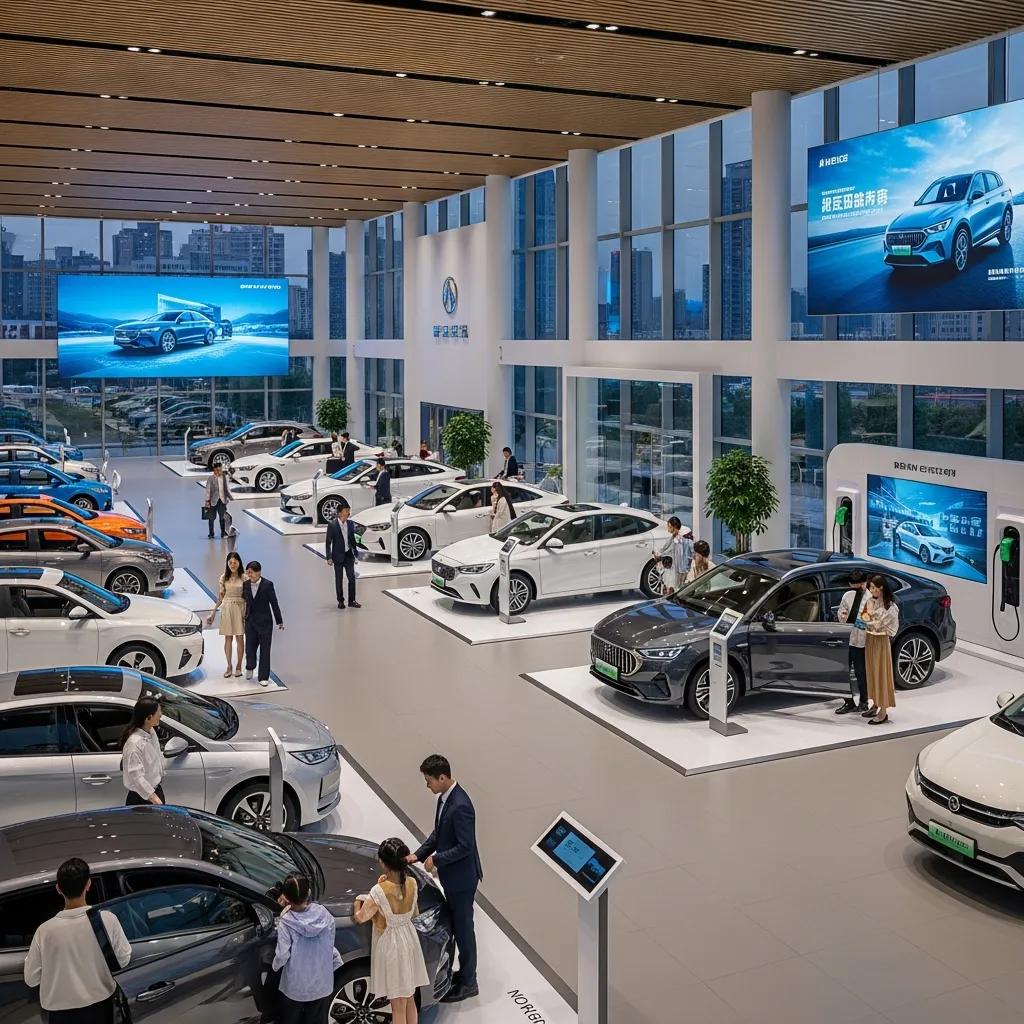
Wholesale Car Sales Growth in China's Vehicle Market
March 30, 2026
Industry information
Nissan and Infiniti recall 1.2 million vehicles
November 28, 2023

2023 BMW i7 Review: Smooth Operator, Tricky Technology
December 04, 2023
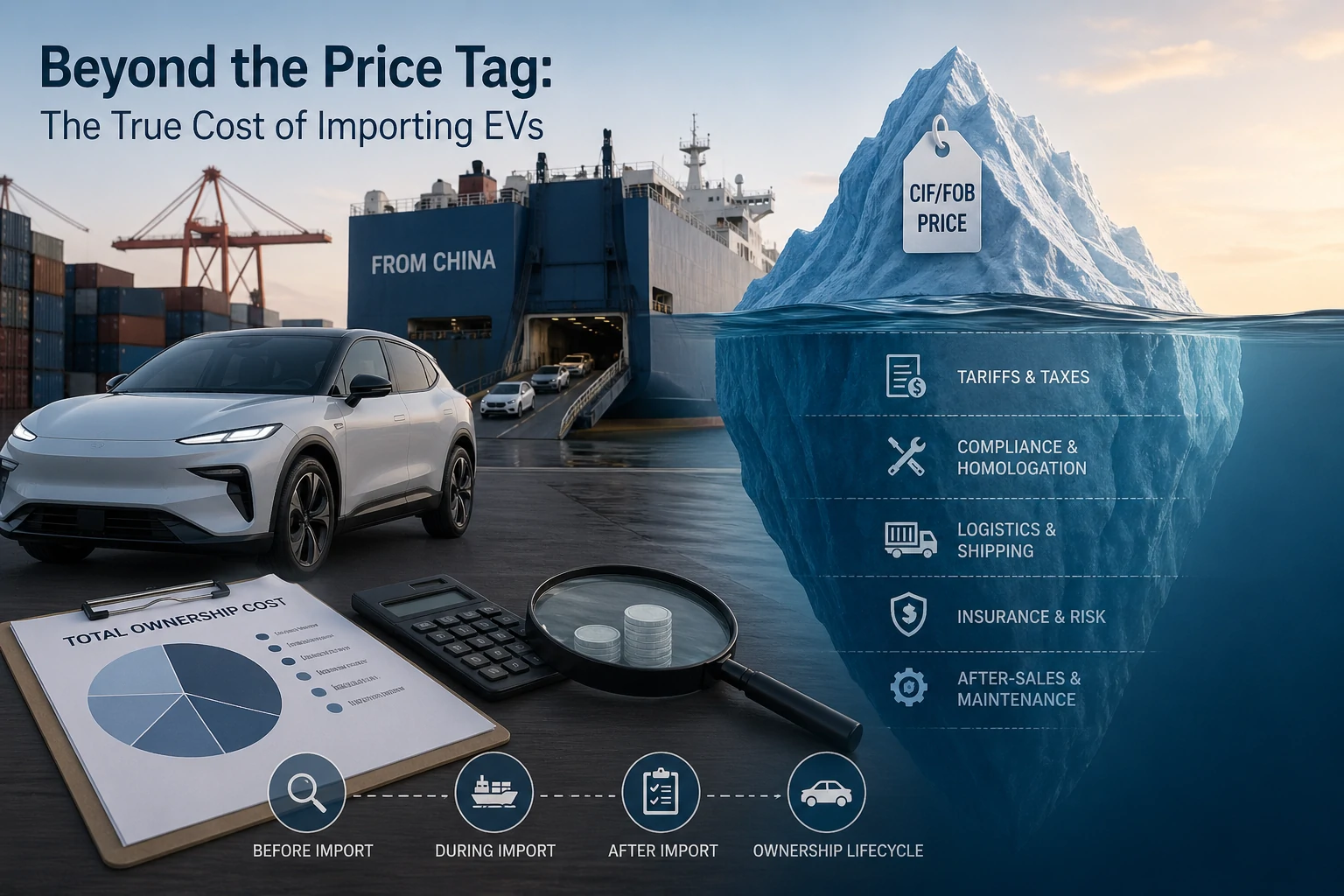
Hidden Costs of Importing EVs from China: What Buyers Often Overlook
April 30, 2026
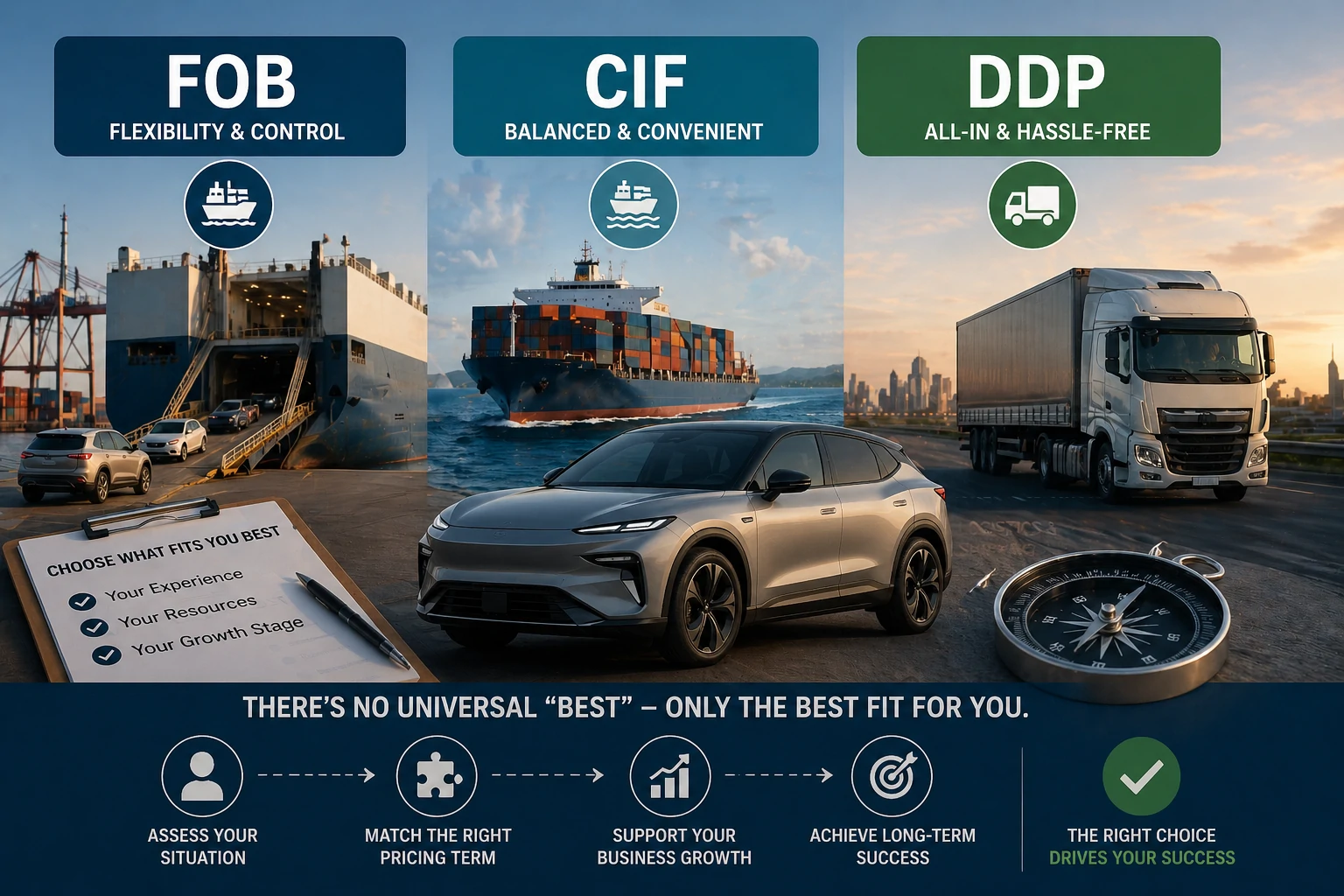
FOB vs CIF vs DDP in Car Export: Which Pricing Term Is Best for You
April 30, 2026
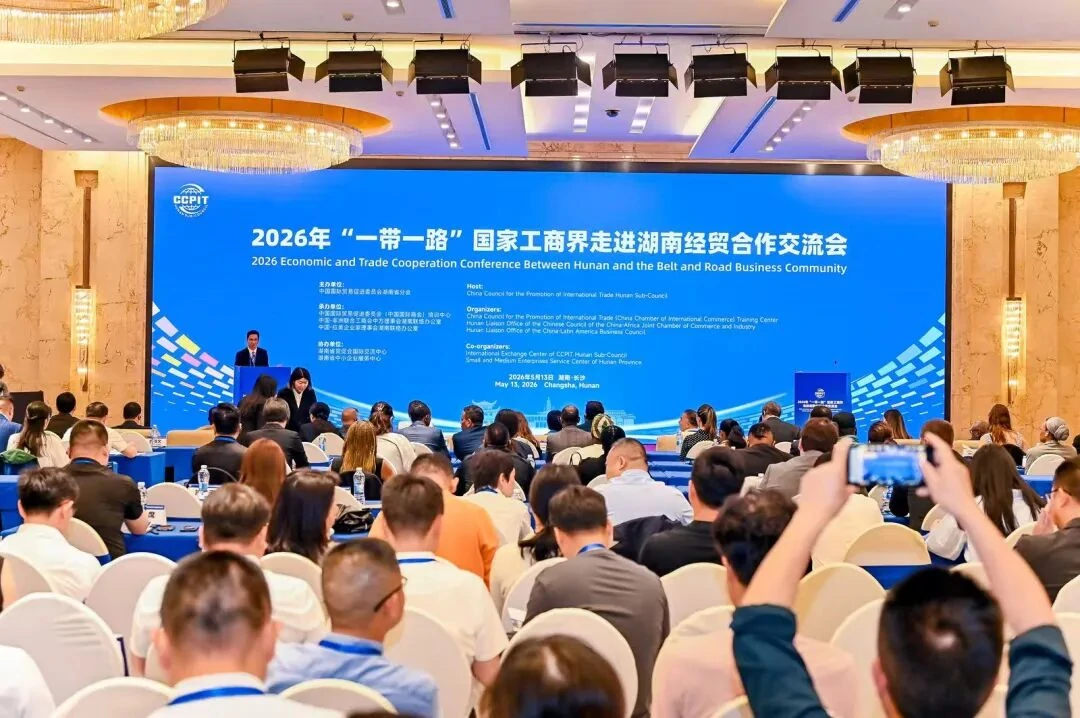
Meeting Along the Silk Road, Driving Toward the Future | Longchuang Automobile Appears at the Belt and Road Business Exchange Conference
May 15, 2026